
Fitness trackers, DNA tests, and biohacking are the latest wellness technology trends to enter the health market.
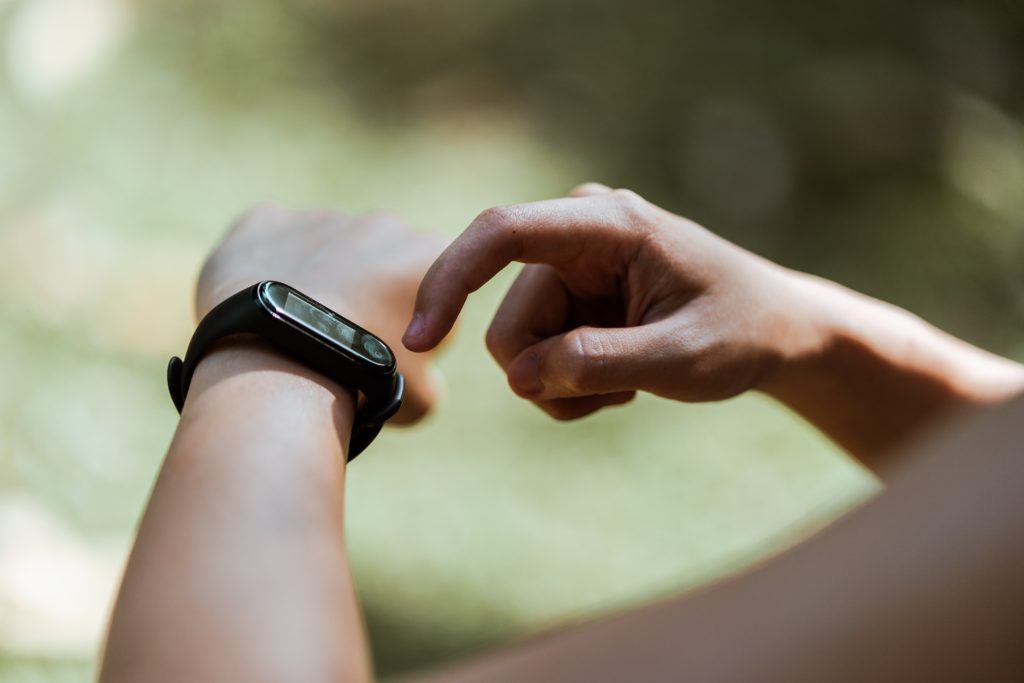
Technology has advanced tremendously over the past few decades. Paving the way for smartphones and many other multi-functional devices, most of us would now struggle to live without it. It keeps us connected socially, helps us manage daily tasks, makes sure we don’t get lost, and not to mention, provides endless sources of entertainment.
There’s no doubt that it has made our lives easier, faster, and better in some ways. But does technology have the power to improve our overall health, and ultimately, help us live longer?
Keep reading to discover all you need to know about fitness trackers, DNA tests, and biohacking —and more importantly— whether these latest wellness technology trends are actually beneficial for our overall health and well-being or not.
Health & Fitness Trackers
Not long ago, the idea of walking around with biometric sensors strapped to our wrists, feeding health data to server farms thousands of miles away, would have been met with reluctance. Today, those sensors are everywhere. In fact, the global wearable fitness tracker market size was valued at $38.68 billion and is predicted to be worth $124.32 billion by 2028.
From counting steps and heartbeats to measuring blood sugar levels and your quality of sleep, there is a tracker to measure almost every metric of health available these days. But do fitness trackers improve health? The short answer is yes.
Step Counters
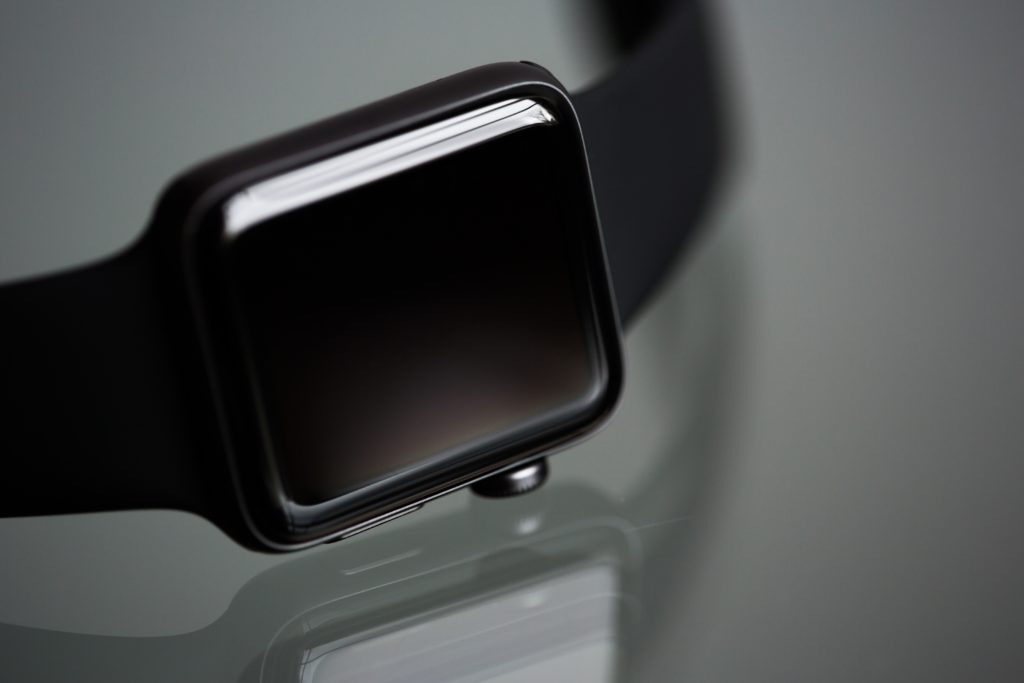
Fitbits and Apple Watches are arguably some of the best fitness trackers on the market. They send constant reminders, urging you to get up and move every hour, and even motivate you to hit a target step count each day. Studies have shown that this boosts overall mental and cardiovascular health and makes users aware of the dangers of sitting for too long.
Sleep Trackers
Unlike physical activity, an aspect of health that is often overlooked is sleep. But an increasing number of health enthusiasts are investing in high-tech sleep trackers like the Oura Ring in order to sleep better. Not only does this encourage them to carve out a full 8 hours each night, but these devices also provide advice on how to optimize sleep quality based on the data.
Glucose Monitors
If you really want to take your health to the next level, consider using the Signos app. Glucose monitors are nothing new in healthcare, but these devices are becoming increasingly popular among non-diabetics. This is because they help users identify foods that cause blood sugar levels to spike and eliminate them from their diet to feel more energized throughout the day, as well as lower their risk of developing insulin resistance and the chronic diseases that follow.
The Bottom Line: Health Metrics Matter
Health trackers are an effective way to boost health, provided that you take action based on the data they collect. Whether that means moving around more, cutting out a certain food from your diet, or getting more hours of sleep — they encourage you to make lifestyle changes that will ultimately increase your chances of being fit, happy, and healthy.

DNA Testing
DNA data is in high demand these days. This occurred following the creation of at-home or direct-to-consumer genetic testing such as 23andME, making it more accessible and popular among those wanting to up their health game by analyzing their ancestry data.
So, how does it all work? Genetic testing reveals changes (mutations) in your genes that may cause illness or disease. Just like the health and fitness trackers, an individual may be able to take action based on the findings in order to boost their health and minimize the risk of disease.
Are We Doomed by Our DNA?
Even though your genes make you more susceptible to various health conditions, it’s not your destiny. Health and longevity are also influenced by non-genetic factors. For example, type 2 diabetes is a common example that can be prevented: If you know you have a predisposition to the disease, it’s likely to motivate you to make changes to your diet and lifestyle accordingly.
The Bottom Line: DNA Results Help Us Personalize Our Wellness
Even if you consider yourself fit and healthy, there may be underlying food intolerances causing symptoms such as fatigue and low mood that you never realized were triggered by your diet. In some cases, food intolerances don’t even provoke symptoms, so you could also be unknowingly causing inflammation in the body which compromises long-term health.

Biohacking
If you had the option to be immortal, would you want to live forever? For the community of so-called biohackers, this is the ultimate goal. Failing that, these health-obsessed individuals strive to reach “superhuman” status during their time on earth.
You’re probably wondering: “what is biohacking?”. This relatively new phenomenon is based on the belief that we can upgrade our bodies and brains by “hacking” them with a mixture of scientific concepts, tools, and technology. People are inserting technology under their skin, adopting extreme diets, and attempting to change their DNA in the quest for immortality.
The founder of Bulletproof Coffee, Dave Asprey, is a (not so) die-hard biohacker. His latest attempt to “fight the body’s aging process” involved a cell stem treatment that he intends to repeat every year. He also takes more than 100 supplements a day, bathes himself in infrared light, sits in a cryotherapy chamber, and uses an atmospheric cell trainer.
The Bottom Line: Don’t Get Lost in Cyborg Land
We can learn a lot from the concept of biohacking, but there’s no need to subject yourself to the extreme, expensive, and experimental methods that may come with major health risks.
If you like the sound of hacking your way to good health but are not so keen on the idea of splurging thousands of dollars or inserting a chip under your skin — try some of the less extreme examples:
- Nootropics
- Meditation
- Practicing gratitude
- Exercise
- Postural techniques
- Sleep optimization
- Herbal and nutritional supplementation
- Genetic testing
Ready to upgrade and optimize your health with tech?
Throughout this blog, we’ve established that the latest health and wellness technology can be useful for achieving optimal health. However, it’s crucial to bear in mind that it doesn’t do all the legwork for you and we can’t depend on technology as a “quick fix” to our health concerns.
If you’re still pondering the question “how has the development of technology positively affected our wellness?” — feel free to head over and join Dr. Brown’s Lifespan to Healthspan Facebook group to gain FREE access to the complete guide.