
Add extra (thriving) years to your life with longevity fitness.
Early science has led us to believe that our lifespan is predetermined — that we have some kind of internal clock that when it strikes midnight, we’ll die. But we have more control than we initially thought when it comes to lengthening our lifespan. It’s not just about accumulating extra years, it’s making them functional, healthy, and thriving!
If you’re wondering how to live to 100 years old, keep reading to discover why regular movement is crucial and how you can use it as a tool to optimize your healthspan.
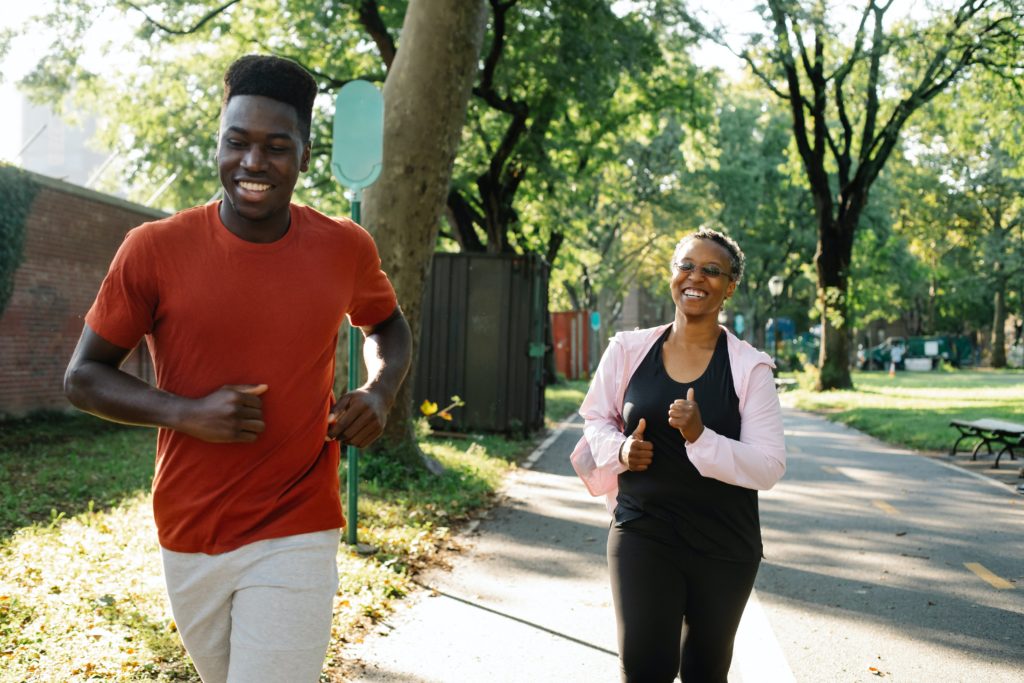
The Role of Exercise in Human Longevity
Have you ever heard someone say “use it or lose it”? This expression couldn’t ring any more true when talking about movement and longevity. This is because muscle mass deteriorates as we get older unless we counteract the process with exercise.
The same can’t be said for body fat. As muscles disappear, more fat is stored in the body to replace them. However, if you do manage to maintain a healthy weight throughout your life, this means you’re likely to be more active as you age and therefore reduces your risk of diseases like obesity and diabetes.
Muscle mass (or a lack of it) isn’t the only topic related to premature mortality. Exercise also has the power to influence the body in the following ways:
Reduces Inflammation
Chronic inflammation can lead to diseases that represent the leading causes of disability and mortality worldwide. Studies have found that just 20 minutes of exercise is enough to activate the body’s anti-inflammatory response.
Prevents Cellular Aging by Boosting Mitochondrial Health
Commonly referred to as the powerhouses of the cell, mitochondria are the hub of energy production in the body. In other words, they provide us with the energy needed for the body to carry out its basic yet crucial functions.
Facilitates the Body’s Detoxification Process
Exercise helps maintain optimum liver health. A detox hero, this organ removes the toxins that cause oxidation, helping slow down the body’s aging process.
Follow These 3 Tips When Planning Your Workout
So, now you’re up to speed on how regular physical activity better prepares your body for a long and healthy life, let’s look at the best exercises for longevity.
Stand Up Every Hour — It Might Just Save Your Life
You can’t undo a whole week of sitting at your desk with an intense workout on the weekend. Research suggests we should be constantly moving throughout the day to ward off illness and live a longer life. This is backed up by ongoing studies which have proven that sitting for long periods of time compromises heart health, weakens bone density, and increases the risk of developing cancer, diabetes, and dementia.
While hitting the gym multiple times a week is the most obvious way to keep fit, it doesn’t mean you need to move into the gym. You can incorporate NEAT (non-exercise activity thermogenesis) movement into your routine — which may be an even more consistent and effective way to stay healthy. Examples include walking around the office during your breaks or always taking the stairs instead of the elevator.

Use Your Muscles to Fight the Aging Process
Did you know that you can lose up to 40% of muscle mass between the ages of 30–80 years old? This gradual loss of muscle mass and strength over the years not only determines our physical state and capabilities but also increases our susceptibility to developing chronic conditions (as healthy muscles keep inflammation at bay).
The good news is that you can significantly counteract muscle loss with regular physical activity, notably strength training. Some research reports that just 30-60 minutes per week of weight training alone may be enough to significantly reduce your chance of premature death from cancer, heart disease, and other health issues.
HIIT workouts also work well for muscle retention and, as a bonus, they’ll improve mitochondrial health — boosting your metabolism and energy levels.
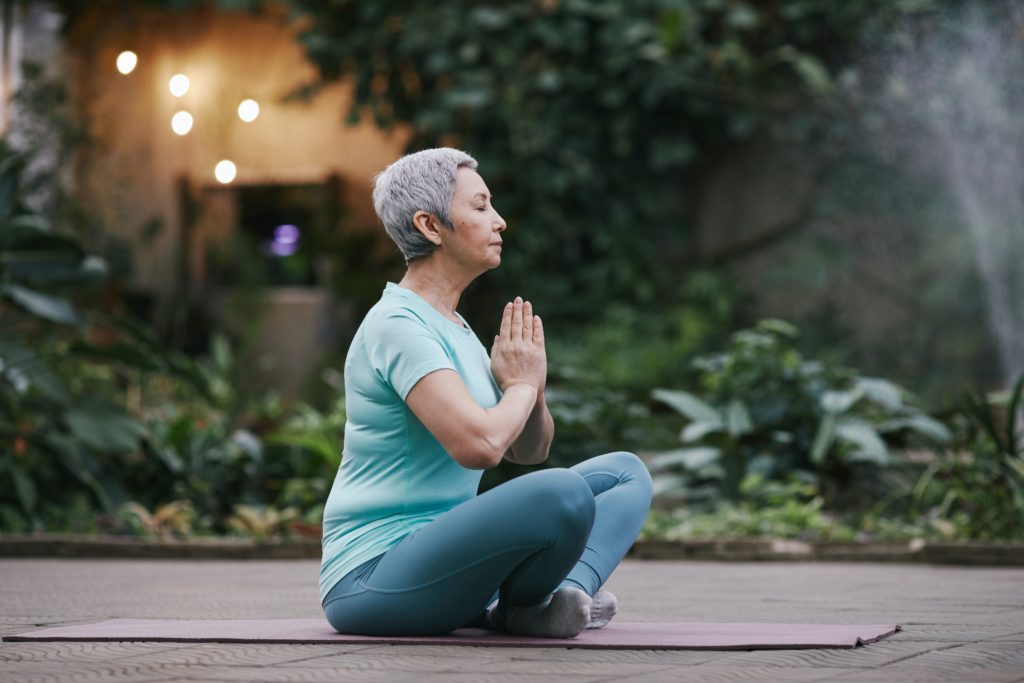
Never Underestimate the Power of Posture
Slouching, slumping, and sitting for long periods of time not only decreases our quality of life as we age but also puts us at risk of premature death. It puts strain on the surrounding joints and muscles as well as compresses our heart and lungs.
While the short-term symptoms manifest as neck and back pain, muscle fatigue, and headaches, the long-term consequences set you up for a sedentary lifestyle in your twilight years with an increased risk of falls and impaired organ function.
You can improve your posture by avoiding sitting down for long periods of time. This way, you’ll hit both targets when it comes to proper postural alignment and incorporating regular movement into your day. Win-win!
But if you really want to perfect your posture, you should take up yoga which is great for overall back health. A practice that relieves the physical strain on the layers of connective tissues surrounding your muscles, myofascial release (aka foam rolling) is another effective method to work on your posture.
The Ultimate Guide to Movement for Longevity
There’s no better motivation than knowing the science behind how exercise benefits the body. If you’re super determined to live until 100 years old, check out the complete Movement For Longevity Guide on the FREE Lifespan to Healthspan Facebook group.