
Racism and health are intrinsically linked. Keep reading to discover how, why, and what we can do about it.

Does the color of your skin control your health status? Does your ethnicity determine your diagnosis? Does your cultural heritage cut your chances of being well? A body of emerging research suggests that all three of these identity factors influence an individual’s wellbeing.
And before you make some of the most common assumptions — it’s not down to differences in genetics or behavior. So, if that leaves you pondering on the biggest causes of the racial health inequity gap, keep reading to learn why being Black in America is bad for your health.
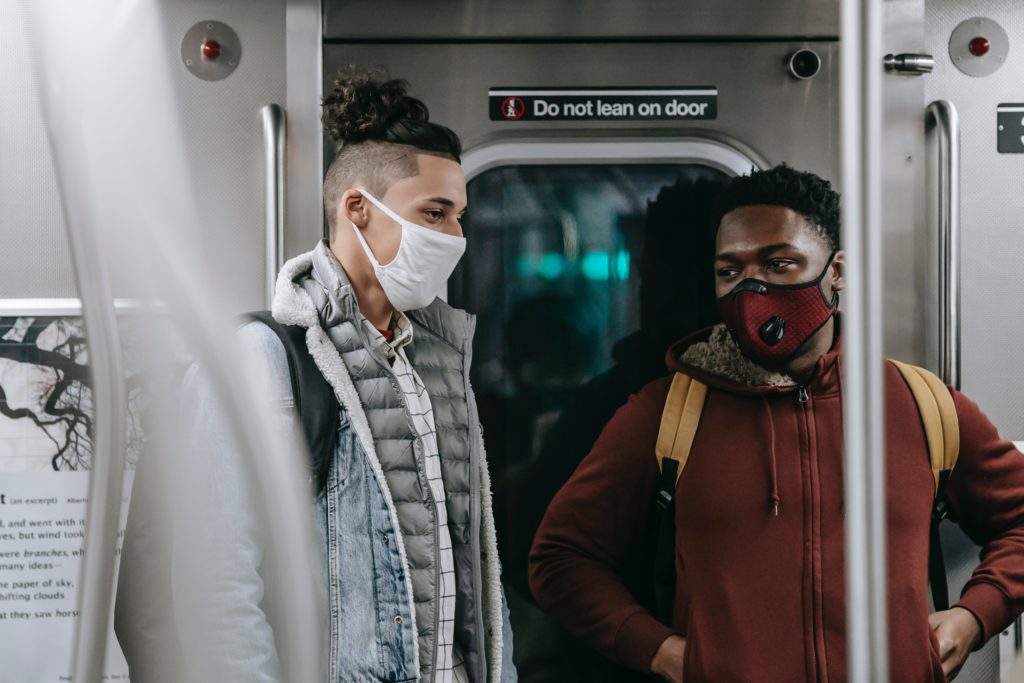
The pandemic put the spotlight on these disparities.
African Americans were hit the hardest by COVID-19. The coronavirus death toll of Black Americans was double that of their White counterparts and a larger proportion of this ethnic group was hospitalized. But this is nothing to do with the virus, the gap has always been there.
The harsh reality is that it is only the tip of the iceberg; the long history of health disparities between Blacks and Whites in the US runs much deeper than a virus. Researchers have long documented that African Americans are significantly more likely to suffer from the following:
- Diabetes
- Cancer
- Stroke
- Heart disease
- Infant & maternal mortality
- Mental illness
- Lower life expectancy

These health concerns don’t just affect the aging population.
Black Americans have a 4-year-difference lower life expectancy than White citizens, but these disparities also affect the younger population. Did you know that Black children have a 500% higher death rate from asthma? A number recorded before COVID-19 targeted the nation’s lungs, this staggering statistic is just one small example showing that structural racism doesn’t discriminate when it comes to age.

What are the leading causes of health disparities in the US?
Far too often, people jump to the conclusion that health disparities are down to genetics or that differences in behavior lead to poorer health. Not only is this NOT scientifically true, but it’s a form of victim-blaming known as pathologizing. Here are some of the actual leading causes:
Food Insecurity
1 in 5 Black households is situated in a food desert, with few grocery stores, restaurants, and farmers’ markets. Referring to urban areas in which it is difficult to buy affordable or fresh produce, food deserts are a result of systematic racism and oppression in the form of zoning codes. They are associated with racial, ethnic, and socioeconomic disparities in obesity rates.
Lack of Healthcare Access
People of color suffer more preventable illnesses and a lower life expectancy due to various racial disparities in healthcare systems in America. According to Cigna, higher rates of cancer, diabetes, childhood obesity, and heart disease among Black Americans are linked to a lack of economic resources, limited access to healthcare, and a delay in treatment.
Myths About Black Bodies
Medical myths about Black people’s biology persist to this day in the form of unconscious, implicit biases, which means that people of color receive worse care. One example of a misconception is that Black patients have a higher pain tolerance, which, according to studies, has led to American doctors routinely prescribing lower doses of pain relief medications.
Long-Term Discrimination
If the Black community wasn’t already disadvantaged by all of the above factors, the final blow is the sustained level of stress caused by long-term discrimination in all its forms, a phenomenon that is known as weathering. But what is weathering exactly?
This is the idea that repeated exposure to socioeconomic adversity, political marginalization, and perpetual discrimination affects a Black person’s health a racist society slowly ‘chips away’ at their wellbeing, leading to premature biological aging and much worse health outcomes.
Studies have honed in on discrimination’s effects on an individual’s stress levels, concluding that it leads to a disruption in cortisol, leaving sufferers far more fatigued. These sustained stress levels contribute to health conditions like diabetes, obesity, and depression.
What can be done about America’s racial disparities in health?
The sad part about all of this is that there is little a Black person at the mercy of white supremacy can do to mitigate poor health outcomes. Tackling health inequities is a joint effort and it requires the dismantling of structural racism that is deep-rooted in our society. Here are just some of the ways we can work towards closing the gap:
Create Communities of Opportunities
This would ensure that everyone has access to employment opportunities that provide adequate income to support health. Cigna has already launched the Building Equity and Equality Program; an initiative that creates partnerships to improve health outcomes, including access to proper education, job opportunities, and healthcare in the Black community.
Improve Access to Healthcare
The US healthcare system needs to put emphasis on high-quality care for ALL, by strengthening preventative healthcare approaches, addressing patients’ social needs, and diversifying the workforce to better reflect the patient demographic.
Increase Health Literacy
Knowledge is power. By expanding educational programming, health organizations play a pivotal role in boosting health literacy (the ability to obtain, read, understand, and use healthcare information to make appropriate decisions and follow instructions for treatment).